Compound vs. Recurve Bow: Which Should You Choose?
Short answer: compound bows use a cam-and-cable system that reduces holding weight at full draw, making them easier to aim steadily — a natural fit for most hunters and target shooters starting out. Recurve and traditional bows have no let-off, so you hold the full draw weight through the shot, rewarding fundamentals and instinctive shooting. Neither is “better” — they’re different tools for a different feel.
Here’s how to think through the choice.
How each one actually works
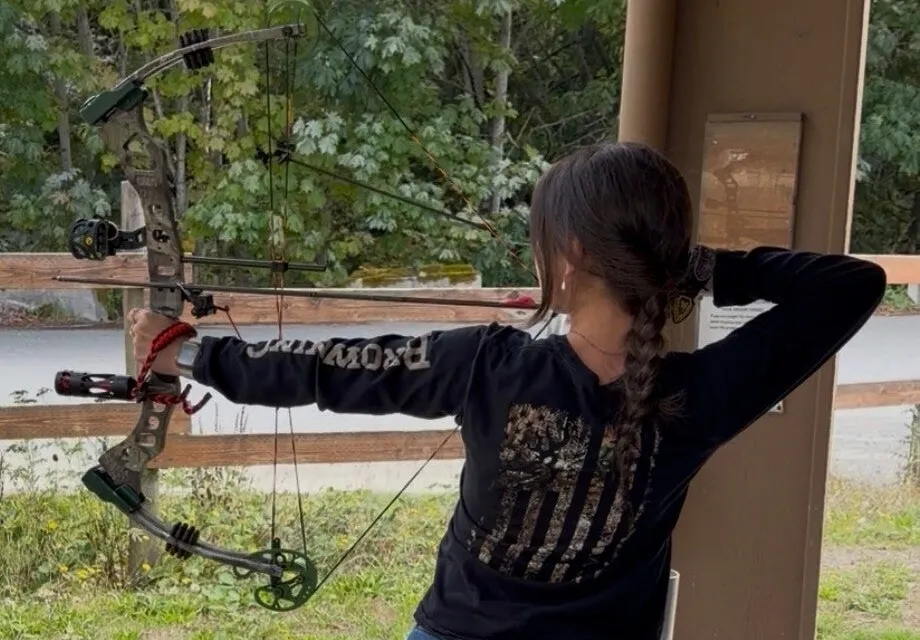
A compound bow’s limbs are connected to a system of cams (or a single cam, depending on the design) through cables. As you draw, the cams rotate through their cycle and reach a point of “let-off,” where holding the bow at full draw takes noticeably less effort than the peak draw weight. That let-off is what lets compound shooters hold steady and aim longer.
A recurve or traditional bow has no cams and no let-off. The draw weight you feel at the very end of the draw is the same weight you’re holding the entire time. There’s no mechanical advantage — just the limbs, the string, and your form.
Where a compound bow shines
- Easier to hold steady at full draw, thanks to let-off
- More consistent accuracy for beginners, since the bow does more of the work
- Widely used for hunting, where holding at full draw while waiting for a shot matters
- More accessories available — sights, rests, and stabilizers are built around compound platforms
Where a recurve or traditional bow shines
- Simpler mechanically — fewer parts to tune, time, or fail
- Rewards fundamentals — grip, anchor, and release matter more without let-off to lean on
- Popular for instinctive and traditional-style shooting, including barebow target archery
- Often lighter and more portable, without cams, cables, or accessories
Which one should you get?
If you’re not sure yet, that’s normal — plenty of archers end up owning both. A few questions that usually point you in the right direction:
- Are you hunting, and do you expect to hold at full draw for any length of time? Compound usually wins here.
- Are you drawn to the simplicity and challenge of shooting instinctively, without sights? Traditional or recurve is worth trying.
- Do you want the fastest path to consistent groups as a beginner? Compound’s let-off makes that easier, though plenty of new archers fall in love with traditional shooting instead.
Either way, fit matters more than the choice
Whichever style you lean toward, the bow still needs to be fitted to your draw length and comfortable draw weight. A recurve that’s too long or a compound set to the wrong draw length will fight you regardless of which type you picked.
We service and set up both. Read more about our compound bow services or traditional and recurve bow services, or just come in and try both on for size — that’s usually the fastest way to know which one feels right. Curious about the terminology? Check our archery glossary for quick definitions of terms like let-off, brace height, and cam timing.
Have a question about your setup?
We're happy to talk through it — no appointment needed for a quick question.