Buying a Used Compound Bow: What to Check Before You Buy
Short answer: a used compound bow can be a great value, but only after the string and cables, cams, limbs, and timing are checked — problems in any of those areas can be expensive or unsafe to shoot through, and they’re not always visible at a glance.
If you’re eyeing a used bow, whether from a private sale, a classified ad, or a shop trade-in, here’s what actually matters.
Start with the string and cables
Fraying, fuzzing, or serving separation are the easiest things to spot and among the most common issues on an older bow. A string and cable set nearing the end of its life isn’t a dealbreaker — it’s a normal wear item — but factor the cost of replacement into what you’re willing to pay, and don’t shoot a badly frayed string more than a few times before addressing it.
Check the cams and timing
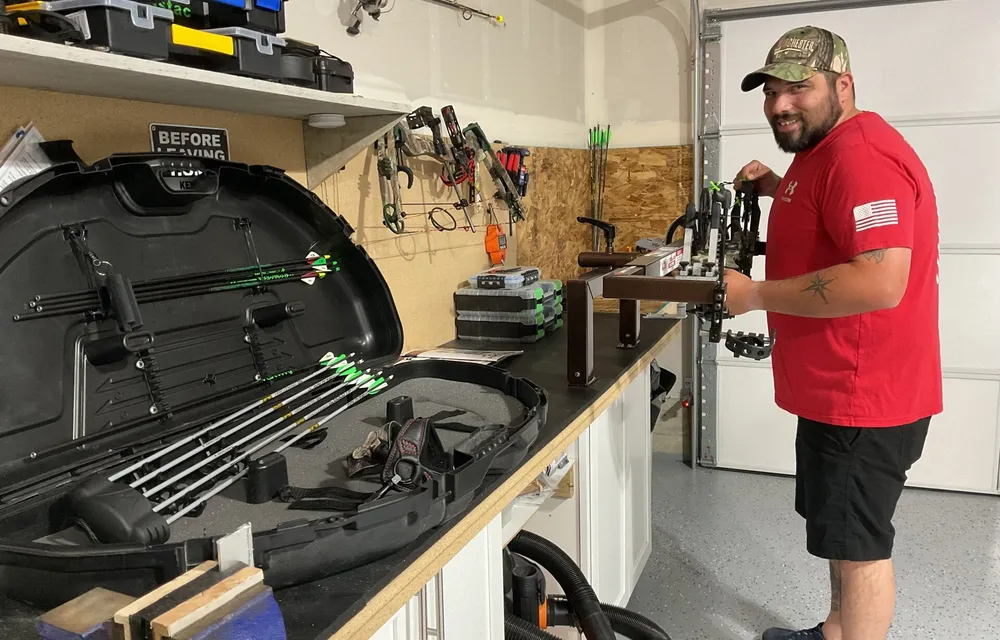
Compound bows rely on cams rotating in sync for consistent nock travel. Cams that are out of time can cause inconsistent arrow flight and put uneven strain on the system. This isn’t something you can always eyeball — it’s one of the best reasons to have a shop check a used bow on a press before you commit to it.
Inspect the limbs closely
Look for cracks, delamination, or splintering along the limbs, especially near the limb pockets. A limb that’s compromised is a safety issue, not just a performance one. Small handling scuffs are normal; anything that looks like a stress crack is not.
Confirm the draw length actually fits you
A used bow is only a deal if it fits. On many modern compounds, draw length is adjustable within a range via the module or cam system — but not infinitely, and not on every model. Confirm the bow’s adjustable range covers your actual draw length before buying, especially if you’re buying for a growing young archer.
Ask about draw weight and dry-fire history
If the seller knows the bow was ever dry-fired (fired without an arrow), treat that as a serious flag. A dry fire can cause internal damage to cams, limbs, or the string system that isn’t visible without a proper inspection. If they don’t know, that’s not necessarily disqualifying — it just means an inspection matters more, not less.
The bottom line
None of this means you should avoid buying used — a well-maintained used bow, properly inspected and set up, can be just as good as new for a fraction of the price. It just means the inspection isn’t optional. If you’re not sure what to look for in person, bring the bow (or the listing) by before you buy, or budget for a full bow inspection and repair check right after.
Once you’ve got it, treat it like new — it’ll still need a full setup and tune matched to you specifically. For more on what that involves, see our guide on buying your first compound bow.
Have a question about your setup?
We're happy to talk through it — no appointment needed for a quick question.